Eight Days, One Feature: What Actors Need to Know About Shooting Vertical
Eight days, start to finish. If your first instinct is to laugh, you’re in good company.
By: Taylor Fox
November 13, 2026
Guides
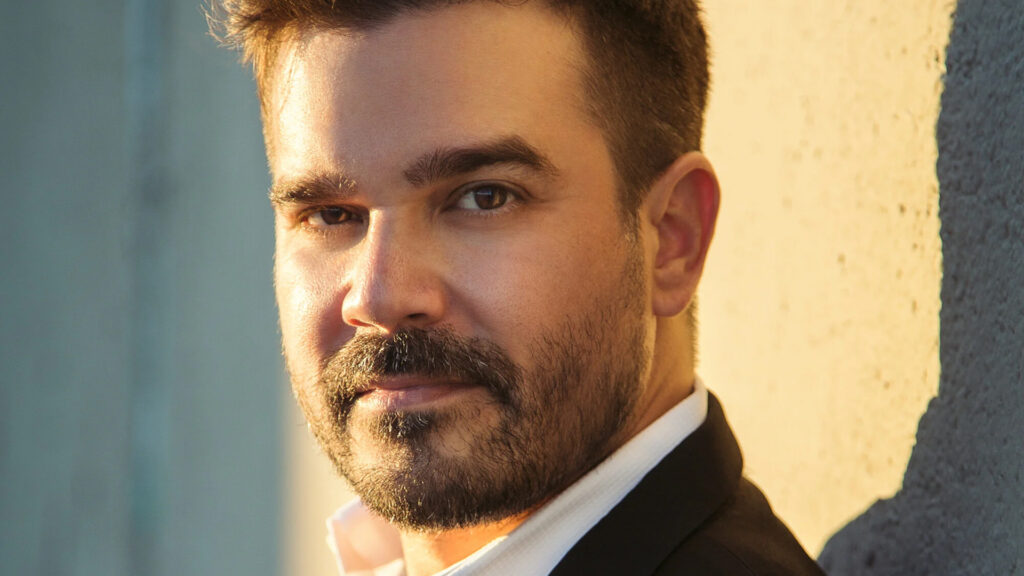
The screen got taller, the schedule got shorter, and the jobs are real. A director with 17 vertical series behind him explains why actors should be paying attention.
Picture the call sheet. The project is a feature-length story with a full arc, a cast, and stakes. Now picture the shoot schedule: eight days.
Not eight weeks. Not “eight days of principal photography plus a month of pickups.” Eight days, start to finish. If your first instinct is to laugh, you’re in good company. If your second instinct is to ask where to sign up, you’re probably going to be fine in the world of vertical.
Vertical series, the serialized stories built for the phone screen and watched in a thumb-scroll, have gone from curiosity to cottage industry fast. They’re hiring, and they’re moving at a speed that makes a network TV shoot look like a Terrence Malick film. At Casa NoHo, the second annual celebration of Latino talent, one of the people who knows the format best sat down with us before taking the stage for a panel called “New Frame, New Rules: Directing for the Vertical Screen.”
The Guy Who’s Done This 17 Times
Mauricio Hoyos has been in the industry for 22 years. That’s long enough to have watched a few “next big things” arrive, get overhyped, and quietly settle into their rightful place.
So when he talks about vertical, it’s worth listening. He has now been involved in 17 vertical series, across different formats and in different places, including Colombia and Atlanta. He says he’s found “good teams, good families to work with” along the way. (In a business where “good crew” is sometimes a myth, that’s a flex.)
Vertical is just one lane for him. Hoyos is writing another feature film, releasing a children’s book, developing a project as a showrunner, and mentoring directors and writers who want to break in.
Why Eight Days Is the Point
Here’s what pulled Hoyos in. He wanted to direct a feature film in eight days, and vertical offered the chance. He describes the format as “a new way of finding ways to do a long format, very fast.”
Read that again, because it’s the whole story. Vertical isn’t a shrunken version of filmmaking. It’s long-form storytelling at a sprint. The ambition of a feature is there. The runway is not.
For a director, that’s a puzzle. For an actor, it’s a different kind of test.
What the Clock Means for You
Hoyos didn’t hand us a checklist, so what follows is our read of what a compressed schedule demands.
Your prep happens before you arrive. When a shoot is measured in days, nobody has time to wait for you to find the character on set. Know your lines, know your arc, and know where your character is emotionally in every scene, even if you’re shooting out of order. (You will be shooting out of order.)
Adaptability is the job. Schedules, locations, and scenes can shift quickly. The actors who thrive are the ones who can reset fast and give a real take without a long ramp-up. Think relief pitcher, not starter.
Small frames reward honesty. A vertical screen tends to live close to the face. There’s less room to hide behind a wide shot, a big gesture, or a fancy set. What the camera catches is you, thinking and feeling.
Volume is a feature, not a bug. Seventeen series means 17 sets of people who needed actors. A format that produces this much content needs a lot of faces, which makes it a place to work, build reps, and build relationships.
The Part That Has Nothing to Do With Cameras
Ask Hoyos what stood out at Casa NoHo and he doesn’t talk about gear or formats. He talks about people.
“It’s important for us as Latinos to support each other,” he said, describing how creatives find “our families or groups” to collaborate with. “This medium is all about collaboration.” In a space where Latino performers and storytellers haven’t always been represented the way they could be, he argued, there’s a lot of untapped talent and a lot of great stories. As he put it, the world is changing, and it’s important “to have our faces and our voices in the same space.”
For actors, that’s not just inspirational wallpaper. A schedule this tight runs on trust, and trust gets built at events, in group chats, and on the sets of people who remember who showed up ready. The person you meet at a panel this year may be the one who calls you for day one of an eight-day shoot next year.
Stop Waiting for the Phone to Ring
Hoyos’s advice to emerging creators was blunt: be a creator. “Take down the walls in your head,” he told us in so many words. Find what you want to express, and expand from there.
It lands differently coming from someone who admits the road wasn’t easy. All those years, he said, he wished he had an experienced person to guide him. Now he wants to be that voice, “the mentor for the next generation,” and he believes all great things come from people who simply acted on their ideas.
For actors, the translation is simple. Vertical lowers the barrier between “I have an idea” and “I’m shooting it.” The format rewards people who move, and it’s a lot harder to wait on someone else’s greenlight when the whole medium is built around speed.
The Bottom Line
Eight days. One feature. Seventeen series’ worth of lessons from a director who’s been in the trenches for 22 years.
If you’re an actor, the takeaway isn’t “drop everything and chase vertical.” It’s that the rules of the work are changing, and the people who learn them early, prepared and flexible and well-connected, will have a head start.
Or, in Hoyos’s words, just create.